Carpenter Bee Treatment
Carpenter Bee Treatment in Auburn, Cortland, Locke & Syracuse, NY
Professional Carpenter Bee Treatment in Auburn, Cortland, Locke & Syracuse, NY to Protect Your Home
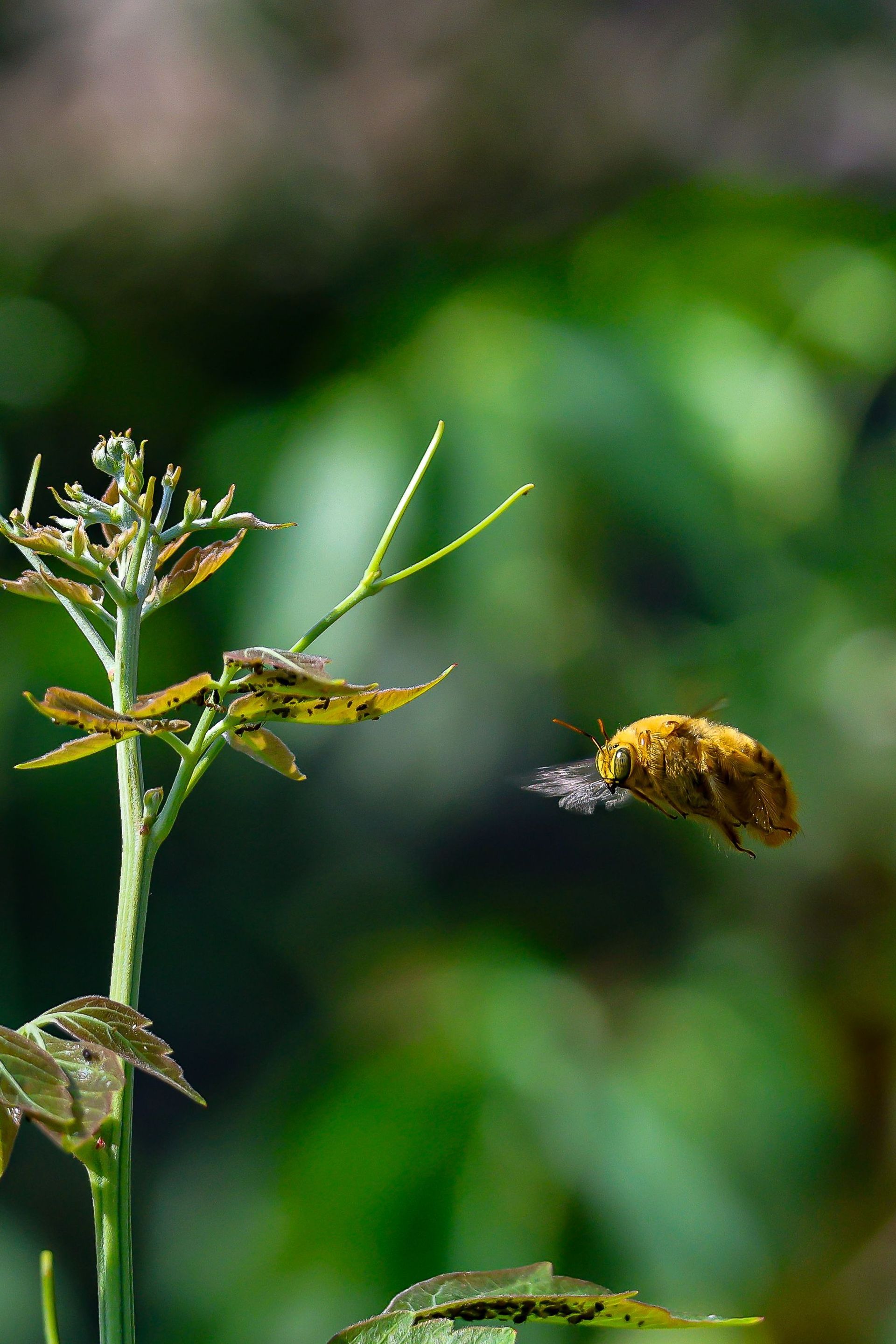
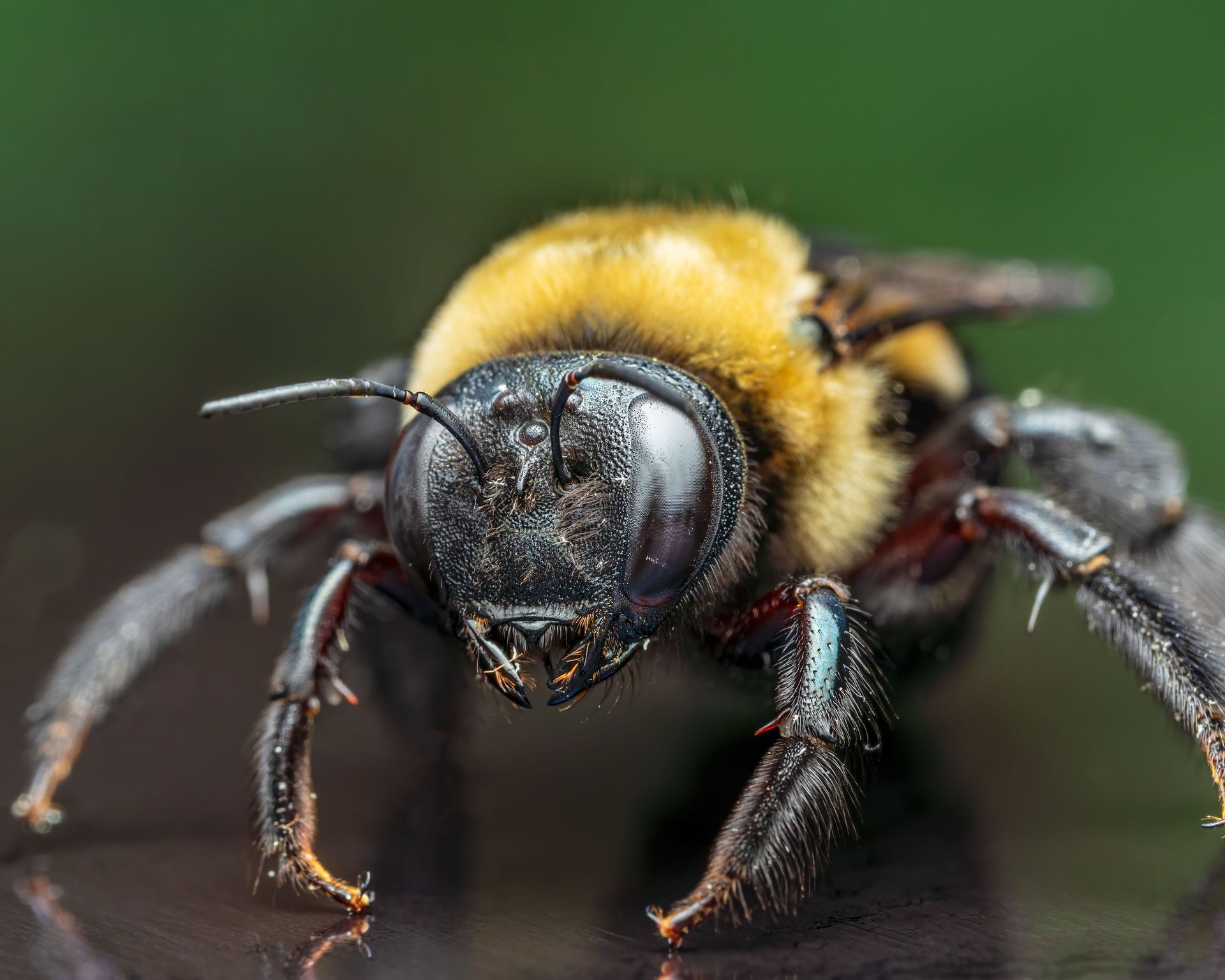
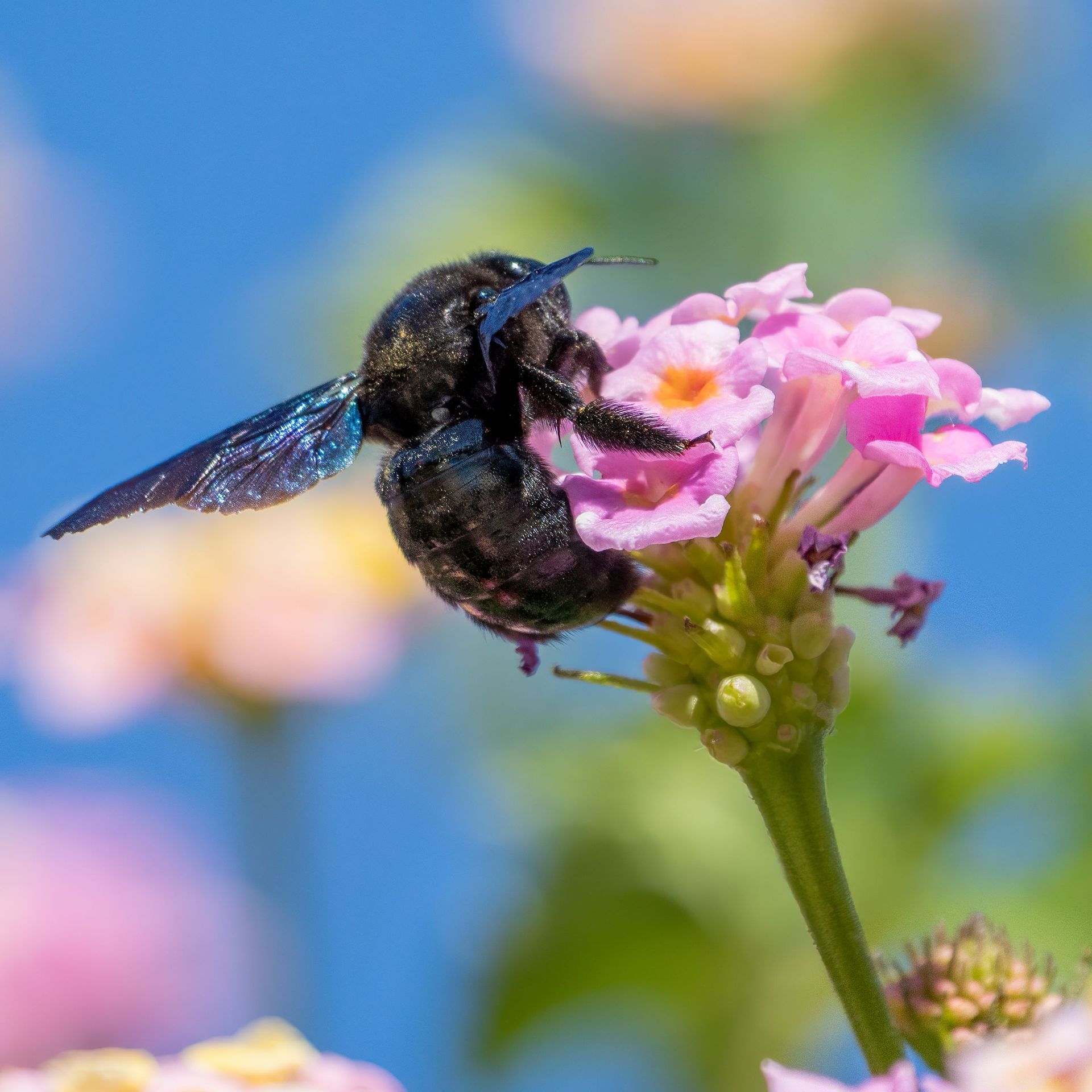
Carpenter bees may appear harmless, but over time they can cause costly damage to wooden structures around your home or business. Unlike termites, carpenter bees don't eat wood—they bore perfectly round holes into untreated or weathered wood to create nesting galleries where they lay their eggs. Left untreated, these tunnels can expand year after year, weakening decks, fences, siding, fascia boards, pergolas, sheds, and other wooden structures.
At
AJ's Nuisance Wildlife & Pest Control, we provide professional
carpenter bee treatment in Auburn, Cortland, Locke, and Syracuse, NY, helping homeowners and businesses eliminate active infestations while reducing the likelihood of future nesting. Our targeted treatments focus on protecting your property—not just removing the bees you see.
Signs You May Have Carpenter Bees
Carpenter bees are often mistaken for bumblebees, but their nesting behavior is very different. Spotting the warning signs early can help prevent extensive wood damage.
Common signs include:
- Perfectly round holes drilled into wood
- Bees hovering around decks, porches, or rooflines
- Fine sawdust beneath wooden surfaces
- Yellow or brown staining below entry holes
- Bees returning to the same wooden structures every spring
- Woodpecker damage caused by birds searching for carpenter bee larvae
- Multiple holes in fences, pergolas, or siding
If you're noticing these signs, professional treatment can stop the infestation before more damage occurs.
Carpenter Bee Treatment in Auburn, Cortland, Locke & Syracuse, NY
Our carpenter bee control services are designed to eliminate active nesting sites while helping protect vulnerable wooden structures.
Our treatment services include:
- Comprehensive property inspections
- Carpenter bee identification
- Treatment of active nesting holes
- Exterior wood treatments
- Prevention recommendations
- Treatment around decks and porches
- Fence and pergola protection
- Fascia and soffit treatments
- Garage and shed treatments
- Residential carpenter bee control
- Commercial carpenter bee management
We tailor every treatment to your property's unique needs for the most effective results.
Why Carpenter Bees Can Damage Your Property
Each individual carpenter bee creates a relatively small tunnel, but problems develop when:
- Bees return to the same nesting locations year after year
- Multiple generations expand existing tunnels
- New carpenter bees create additional nesting holes
- Moisture enters damaged wood
- Woodpeckers enlarge holes while feeding on larvae
-
Without treatment, cosmetic damage can eventually become structural damage.
Where Carpenter Bees Commonly Nest
Carpenter bees prefer untreated, stained, or weathered softwoods but may also infest painted wood over time.
Common nesting areas include:
- Decks
- Porch ceilings
- Railings
- Pergolas
- Gazebos
- Fascia boards
- Roof overhangs
- Wood siding
- Fence posts
- Wooden swing sets
- Outdoor furniture
- Barns
- Garages
- Sheds
- Docks
These areas should be inspected regularly, especially during spring and early summer.
Our Carpenter Bee Treatment Process
Thorough Property Inspection
- We begin by locating:
- Active carpenter bee holes
- Existing galleries
- Areas of recurring activity
- Wood damage
- Vulnerable structures
- Potential future nesting sites
Targeted Treatment
We apply professional-grade products directly to nesting galleries and active areas to eliminate carpenter bees safely and effectively.
Prevention Strategies
To help discourage future infestations, we may recommend:
- Sealing abandoned nesting holes
- Painting or staining exposed wood
- Replacing severely damaged wood
- Regular inspections
- Preventative seasonal treatments when appropriate
Why DIY Carpenter Bee Sprays Often Don't Work
Many homeowners purchase aerosol sprays that kill only the bees they see.
Unfortunately:
- The nesting galleries remain occupied.
- Eggs and larvae are often protected inside the wood.
- New carpenter bees may return to the same holes the following season.
- Store-bought products rarely address the full extent of the infestation.
Professional treatment targets active galleries and provides a more comprehensive solution.
Benefits of Professional Carpenter Bee Treatment
Hiring AJ's Nuisance Wildlife & Pest Control provides several advantages:
- Protects valuable wood structures
- Reduces repeat nesting
- Eliminates active carpenter bees
- Helps prevent costly repairs
- Professional inspection of affected areas
- Safe treatment methods
- Customized solutions for your property
- Experienced local technicians
Our goal is to protect both your investment and your outdoor living spaces.
Residential & Commercial Carpenter Bee Services
We provide carpenter bee treatment for a wide variety of properties.
Residential
- Single-family homes
- Vacation homes
- Condominiums
- Townhomes
- Cabins
Commercial
- Apartment complexes
- Retail buildings
- Restaurants
- Office buildings
- Agricultural buildings
- Barns
- Property management companies
- HOA communities
No matter the size of your property, we'll recommend an effective treatment plan.
Why Choose AJ's Nuisance Wildlife & Pest Control?
When you need dependable carpenter bee treatment in Central New York, you want a company that understands local pest behavior and delivers reliable results.
Customers choose us because we offer:
- Experienced pest control professionals
- Thorough inspections
- Honest recommendations
- Fast response times
- Safe application methods
- Customized treatment plans
- Residential and commercial expertise
- Friendly, dependable service
We're committed to helping protect your home from destructive wood-boring insects.
Areas We Serve
AJ's Nuisance Wildlife & Pest Control proudly provides carpenter bee treatment throughout:
- Auburn, NY
- Cortland, NY
- Locke, NY
- Syracuse, NY
We also serve many surrounding communities throughout Central New York.
Frequently Asked Questions
What attracts carpenter bees?
Carpenter bees are attracted to exposed, untreated, or weathered wood that provides ideal conditions for nesting.
Are carpenter bees dangerous?
Carpenter bees are generally not aggressive, but females can sting if handled, and males may hover near nesting areas. The greater concern is the damage they can cause to wooden structures over time.
Will carpenter bees return every year?
Yes. If old nesting holes remain untreated, carpenter bees often return to the same locations or nearby wood during future nesting seasons.
Can carpenter bee damage be repaired?
Yes. Damaged wood can often be repaired or replaced, but professional treatment should occur first to eliminate active bees before repairs are made.
Is one treatment enough?
Many infestations can be effectively managed with one treatment, though properties with recurring activity or widespread nesting may benefit from additional preventative service.
When are carpenter bees most active?
In Central New York, carpenter bees are most active during the spring and early summer when they begin creating new nesting galleries and laying eggs.
Protect Your Wood Structures with Professional Carpenter Bee Treatment
Carpenter bees may seem like a minor annoyance at first, but repeated nesting can lead to extensive damage to decks, fences, siding, trim, and other wooden structures. Prompt, professional treatment helps stop active infestations, protect your investment, and reduce the chances of recurring problems.
If you've noticed perfectly round holes in wood, hovering bees around your home, or signs of carpenter bee activity, trust
AJ's Nuisance Wildlife & Pest Control for expert
carpenter bee treatment in Auburn, Cortland, Locke, and Syracuse, NY. We'll help eliminate the problem and provide practical recommendations to keep your property protected.